
Focus groups
Focus groups?… Really?
Most conventional focus groups actually measure the wrong thing. They measure what people think when participating in a focus group.
Professor Gerald Zaltman
Harvard Business School
Quote from How Customers Think: Essential Insights into the Mind of the Market
Group think. The loudest person’s opinion. Post-rationalised answers. Vague, abstract conversations about what people think they want instead of how they actually behave.
All true!
So why do we offer focus groups? Because with the right research question, the right group, and tight facilitation, they can surface something rare: shared stories that people can’t tell alone.
When people with similar lived experiences hear each other talk, they build on each other’s stories. Patterns become clearer. Emotion becomes visible. Gaps in support become obvious.
We use focus groups when the group dynamic itself is the data.
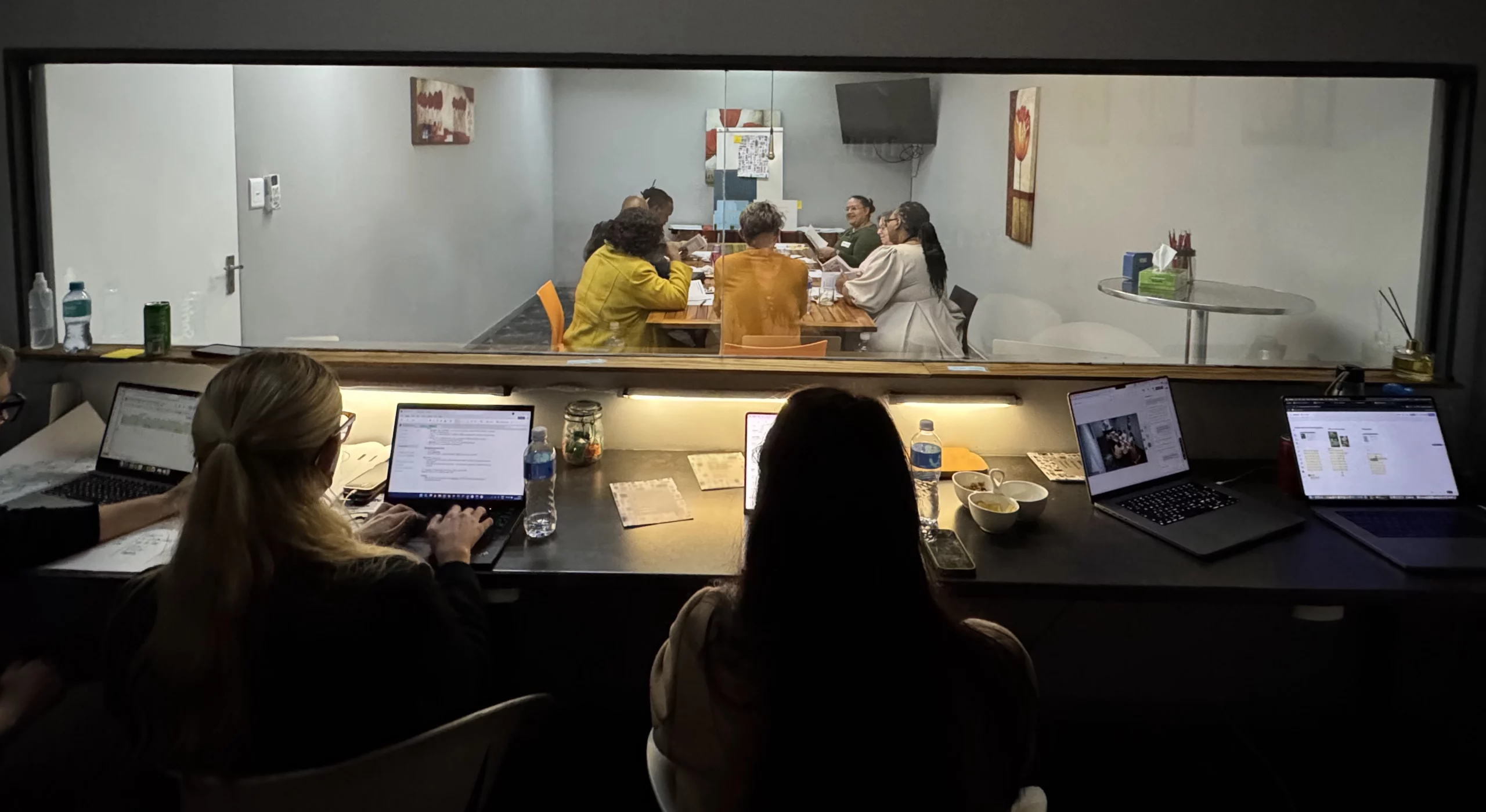
When is a focus group the right method?
Focus groups work when you need people with shared realities to talk about deep, personal, or emotional topics in a way that sparks recognition and momentum.
Good use cases
- A group of struggling mothers talking about women’s health and the daily challenges they face
- People living with severe chronic conditions comparing how they manage symptoms, medication routines, and support systems
- Health scheme members discussing barriers to getting care
- Customers navigating the same stressful life event and comparing coping strategies
- Workers in the same role talking about pressures, risks, and informal work-arounds
Weak use cases
- Mixed groups with little in common (conversation becomes shallow)
- Anything that relies on accurate recall of behaviour
- Anything where social pressure will hide real opinions
- If the topic is too broad or the group is too diverse, insights flatten out fast.
What a good focus group looks like

Groups with genuinely shared contexts
We uncover deep insights when participants can relate to the stories being told, then build on with their experiences.

Retrospective stories
When participants tell stories of specific moments in time with detail about individual moments. No generalisations.
We focus on what people actually do in their daily lives.

Managed group dynamics and psychological safety
We prevent dominance, surface quieter voices, and avoid consensus pressure. We ensure each participant has clear expectations with transparent consent. A facilitator participants can trust.

We use pre-commitment techniques
When we need preferences or choices, participants write down their answer before hearing others.
We care more about the reason behind the preference than the preference itself.
We use structured activities, not only discussions
- Worksheets
- Voting individually before group sharing
- Ordering or sorting preference cards alone before discussing (lightweight card sorting)
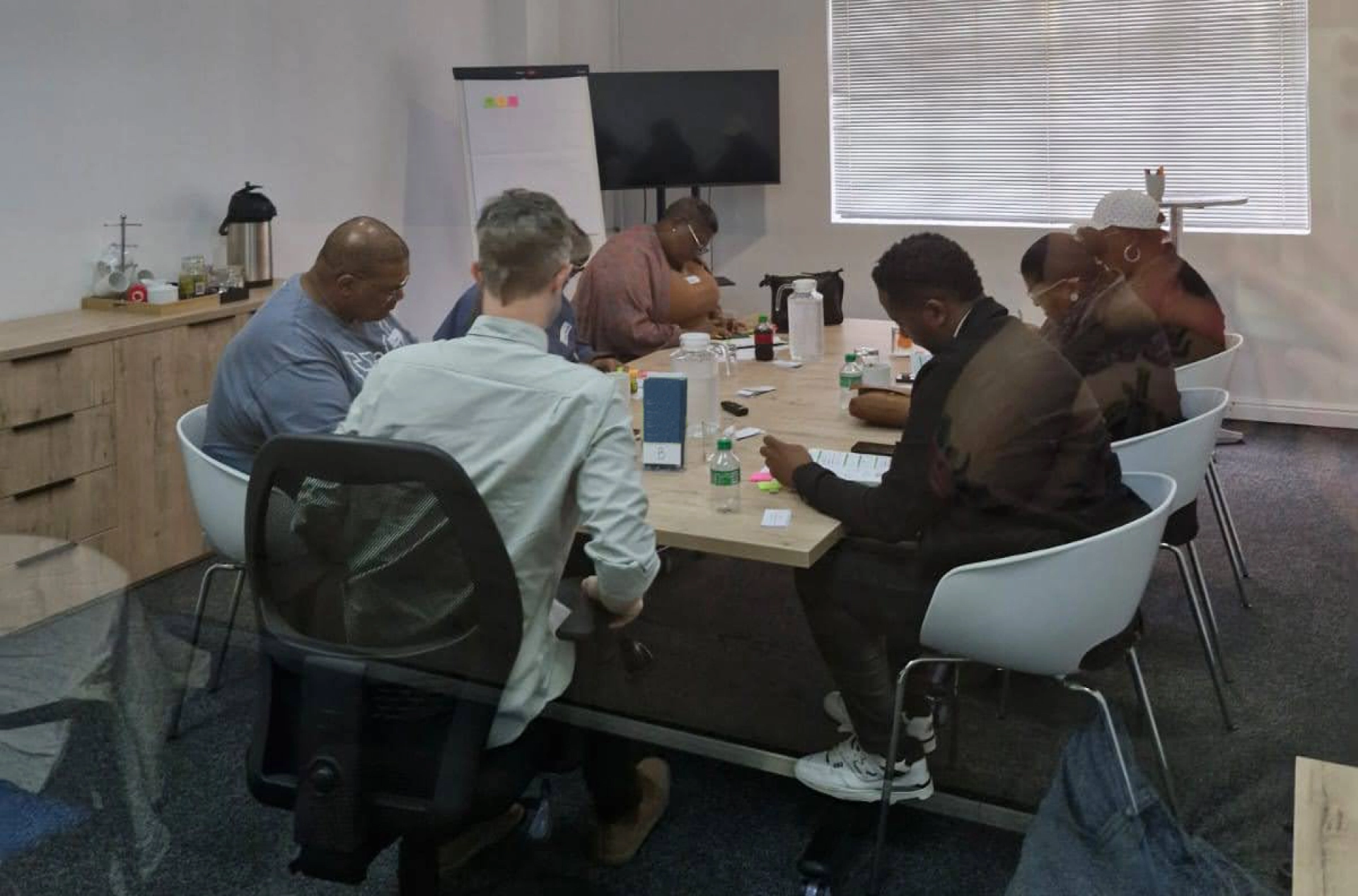
What you can learn from a well-run focus group
- Shared frustrations that individuals don’t mention in one-on-one interviews
- Language, metaphors, and explanations the group uses to describe their world
- Emotional drivers and coping strategies
- The social dimensions of a problem (stigma, guilt, shame, fear)
- Differences inside a group that looks homogeneous from the outside
Focus groups don’t replace in-depth interviews. They complement them. They reveal how people make sense of their experiences together.
What we deliver
- A clear synthesis of themes, tensions, and shared stories
- Real participant quotes and narratives
- Practical recommendations for product, service, or policy decisions
- A short highlight reel (if recorded)
- Optional: a follow-up round of in-depth interviews (IDIs) to validate individual behaviours and edge cases
- Optional: a follow-up survey to quantify the experiences we heard
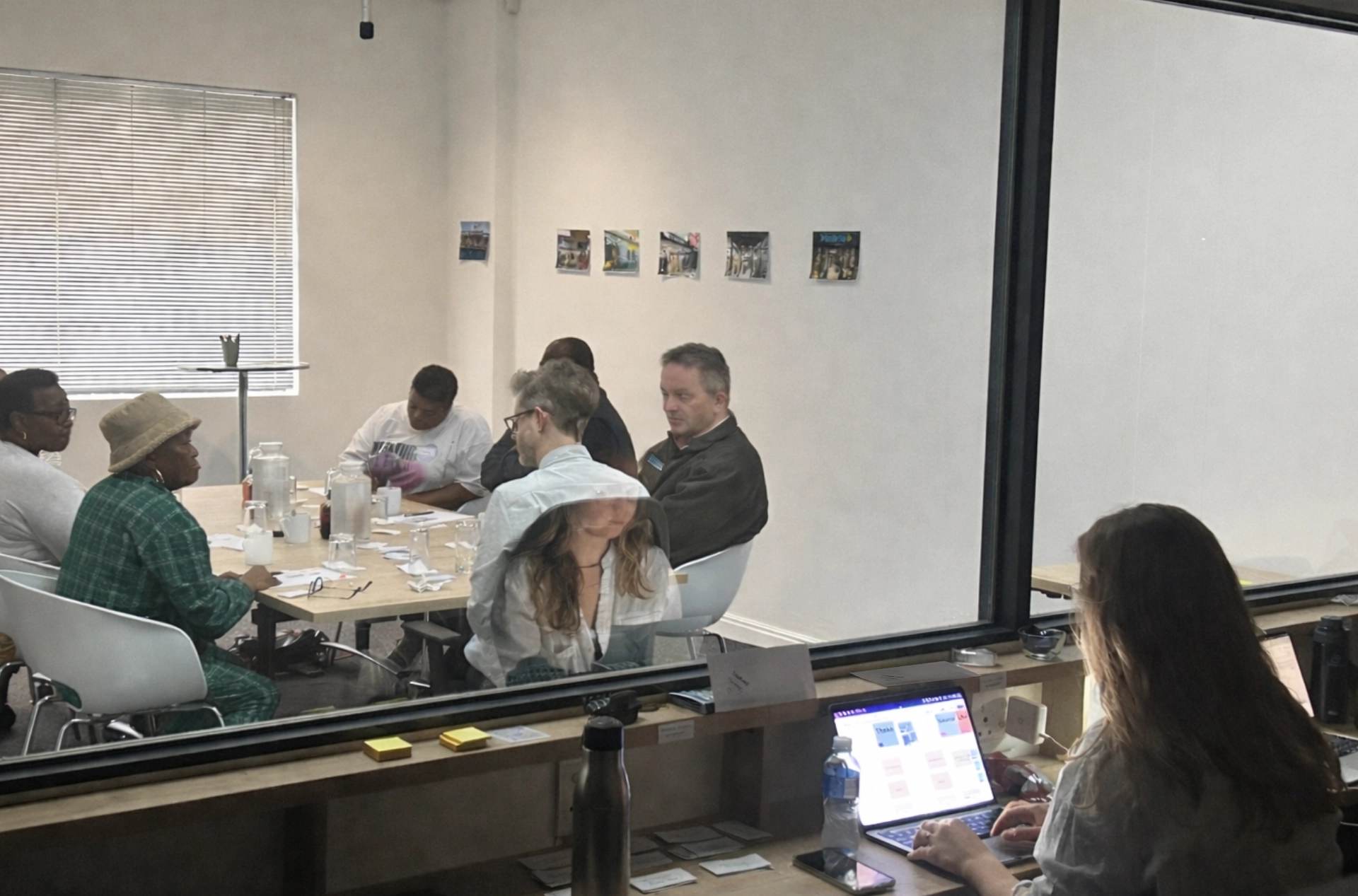
Want to run a focus group?
We help with recruitment, facilitation, analysis, and synthesis.
Ideal for healthcare, financial services, retail, and service design teams who need to understand how people navigate complex situations in the real world.

Book a focus group today
and learn more about who your customers are and what they need